Common Applications Of Custom Powder Metallurgy Parts
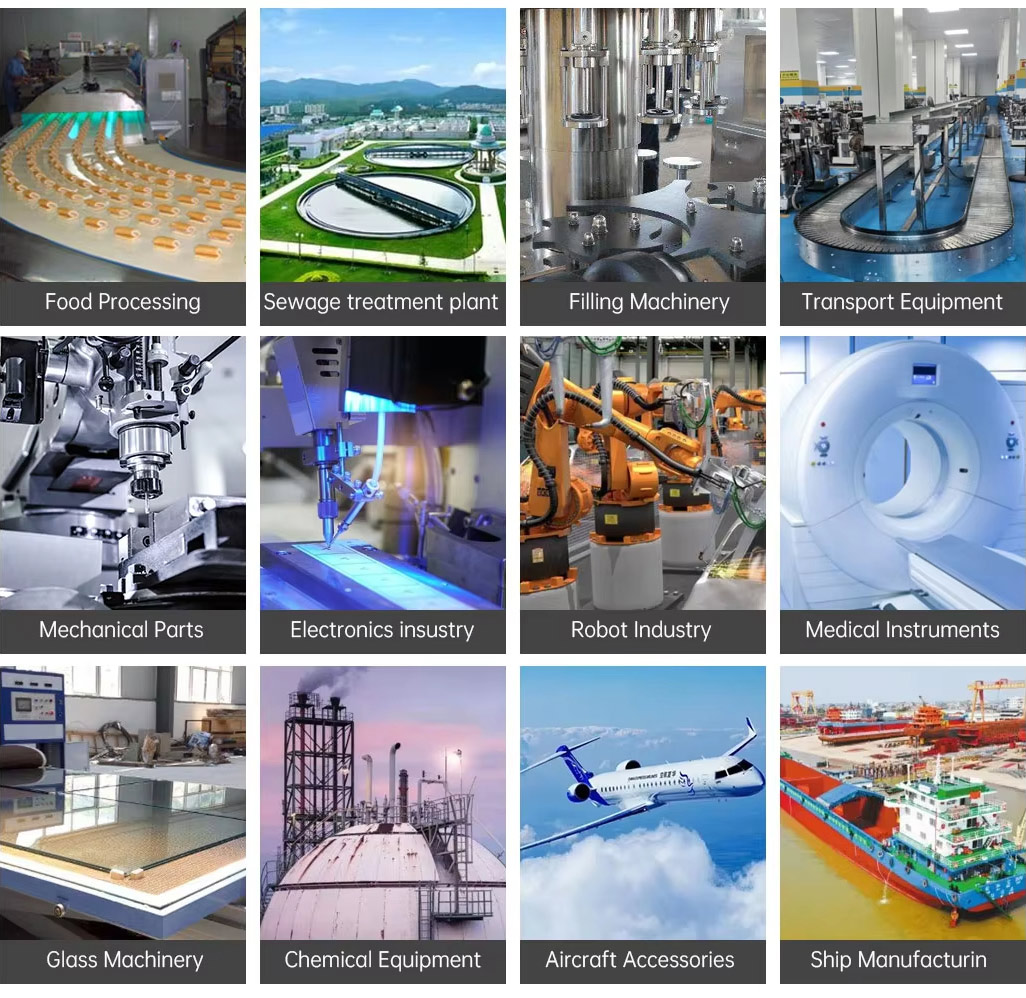
Powder metallurgy components are used in many industries where precision, durability, and stable batch production are required.
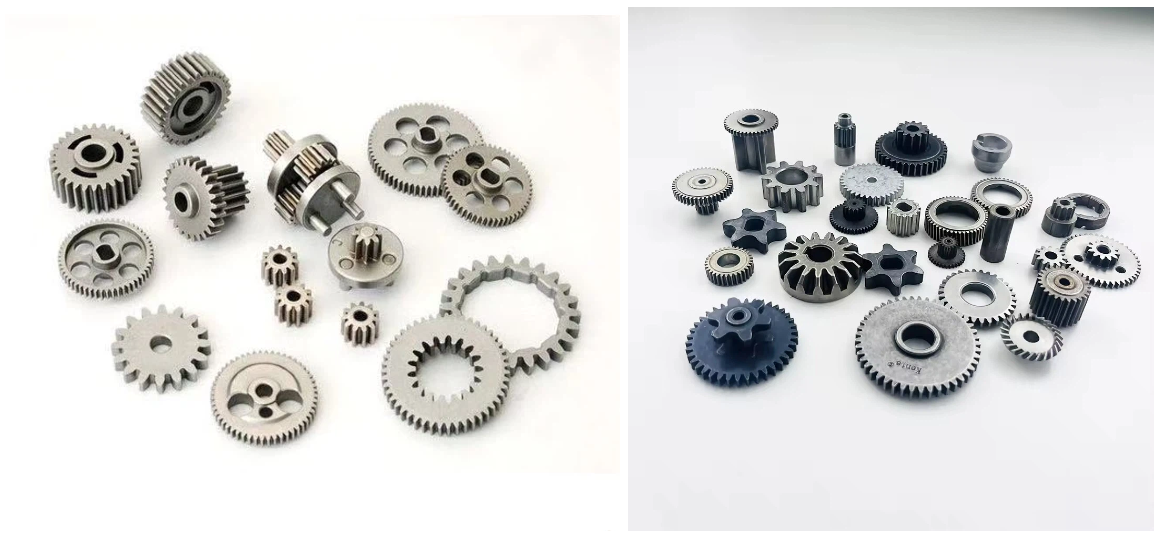
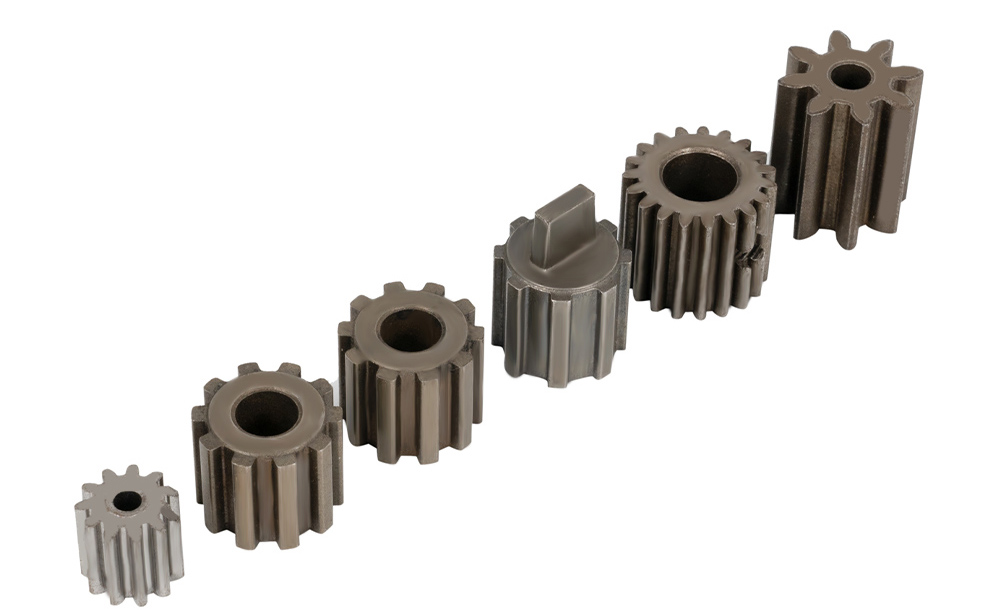
In automotive applications, PM parts are commonly used for gears, oil pump rotors, pulleys, sprockets, sensor rings, shock absorber parts, and other mechanical components.
In power tools, sintered gears, bushings, and transmission parts help create compact, durable, and cost-efficient assemblies for drills, screwdrivers, grinders, and other electric tools.
For locks and security hardware, powder metallurgy can produce complex small metal parts with good wear resistance and dimensional accuracy. In home appliances, PM components are used in motors, compressors, pumps, hinges, fans, and drive systems.
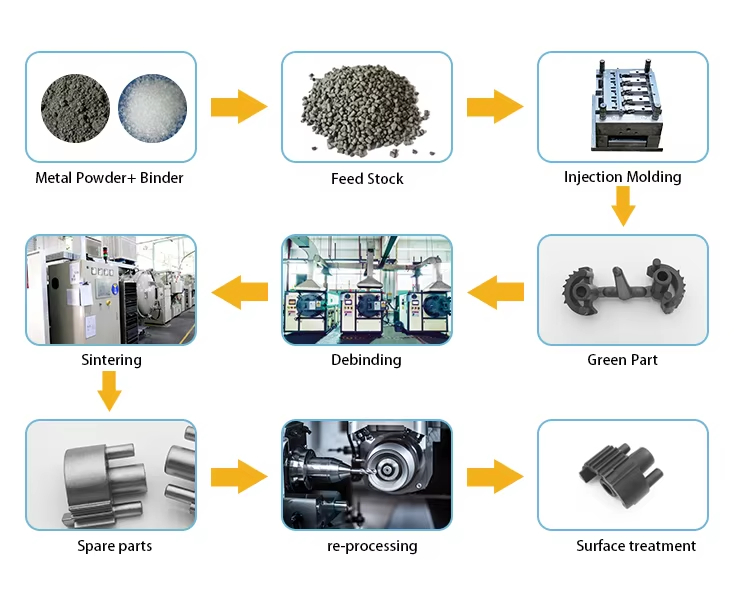
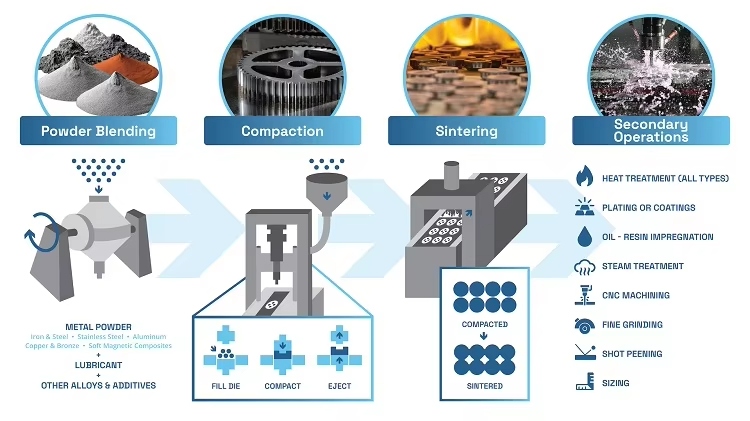
Powder Metallurgy Manufacturing Process
A custom powder metallurgy project usually starts with a drawing or sample. The manufacturer reviews the part structure, tolerance, material, annual demand, and working environment to confirm whether the design is suitable for PM production.
1. Material Selection
Metal powder is selected according to the required strength, wear resistance, corrosion resistance, and operating conditions. Common materials include iron-based powder, stainless steel powder, and copper-based materials.
2. Powder Mixing
Metal powders are mixed with alloying elements and lubricants to improve flowability, pressing stability, and final material performance.
3. Compacting
The mixed powder is pressed into a precision mold under high pressure. This creates a green compact with the basic shape of the final part.
4. Sintering
The compacted part is heated in a controlled atmosphere furnace. During sintering, metal particles bond together and form a strong metal structure.
5. Secondary Processing
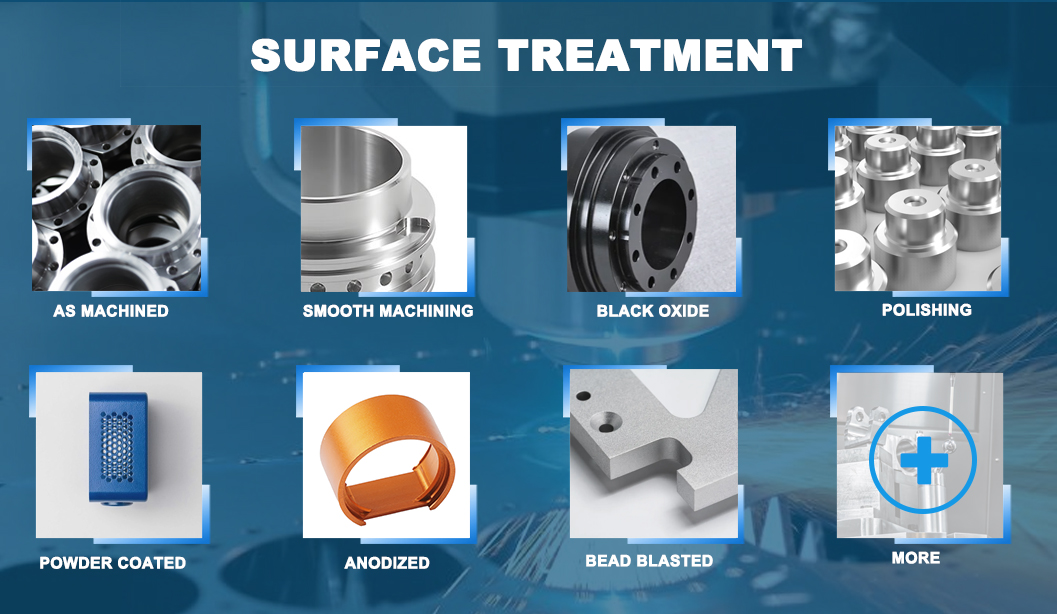
Depending on the application, the part may require sizing, machining, heat treatment, oil impregnation, tumbling, blackening, plating, or other surface treatments.
6. Inspection
Before shipment, dimensions, hardness, density, appearance, and other quality requirements should be checked to ensure the parts meet the customer’s specifications.
When Should You Convert Machined Parts To Powder Metallurgy?
Many machined, cast, or forged parts can be redesigned for powder metallurgy, especially when the annual demand is high and the part has repeatable geometry.
You should consider powder metallurgy if:
The part is produced in medium or high volume
Machining waste is high
The current unit cost is too expensive
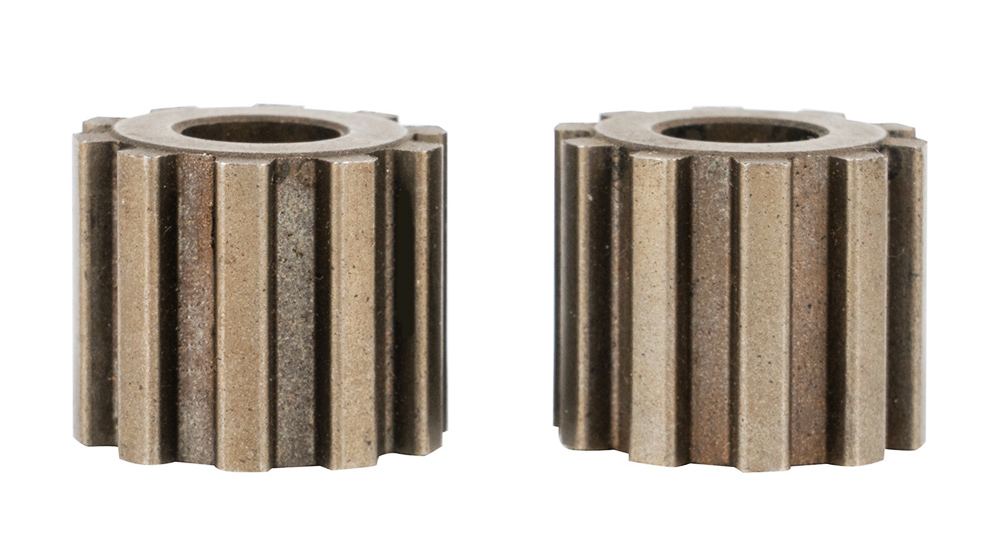
The part includes gears, splines, hubs, holes, or steps
Dimensional consistency is important
The design can be adapted for axial pressing
However, PM may not be the best choice for very low-volume projects, very large parts, or components that require full wrought density. A professional powder metallurgy manufacturer can review the drawing and recommend the best production route.
How To Choose A Custom Powder Metallurgy Manufacturer
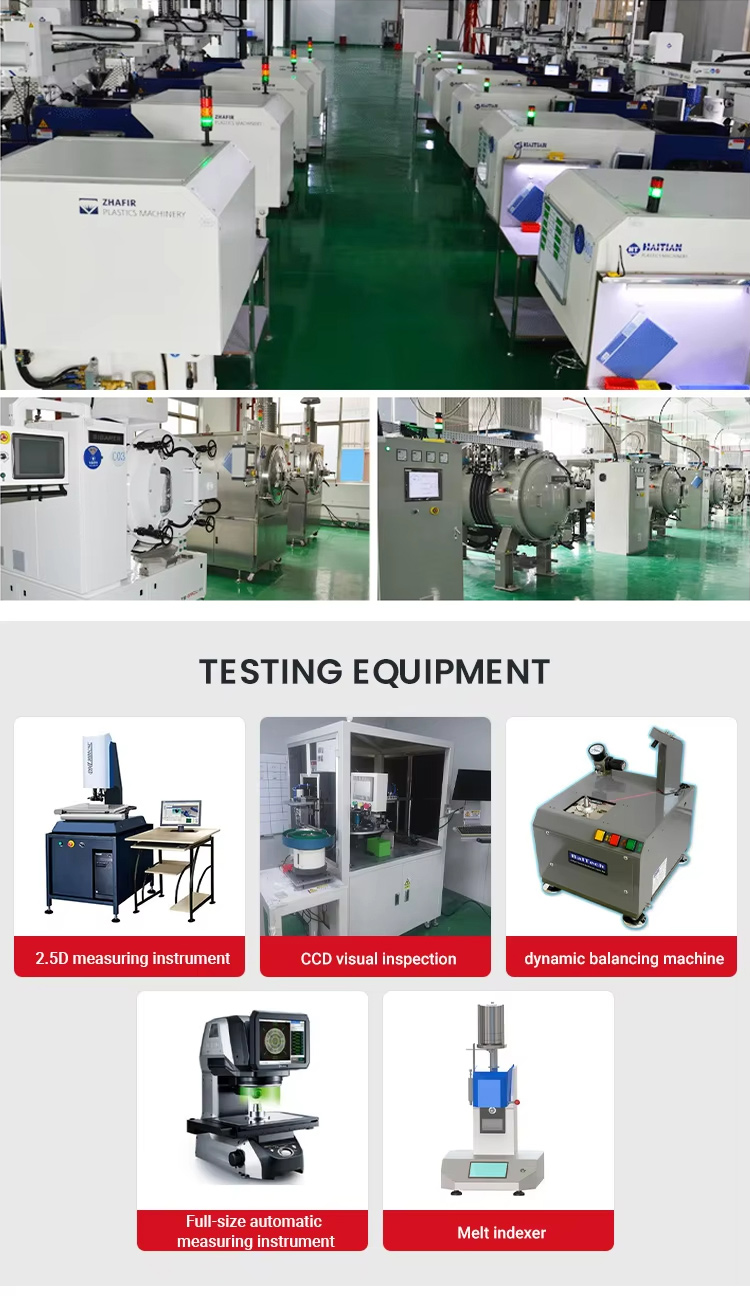
Choosing the right supplier is not only about price. OEM buyers should evaluate engineering experience, tooling capability, production equipment, inspection systems, and experience with similar applications.
A reliable supplier should be able to support:
Drawing and sample review
Material selection
Tooling and die design
Powder compacting and sintering
Secondary machining and surface treatment
Dimensional inspection and quality control
Stable mass production and repeat delivery
For a faster quotation, it is best to provide a 2D drawing, 3D file, material requirement, tolerance, surface treatment requirement, annual quantity, and working environment. If a drawing is not available, an existing sample can also help the engineering team evaluate feasibility.