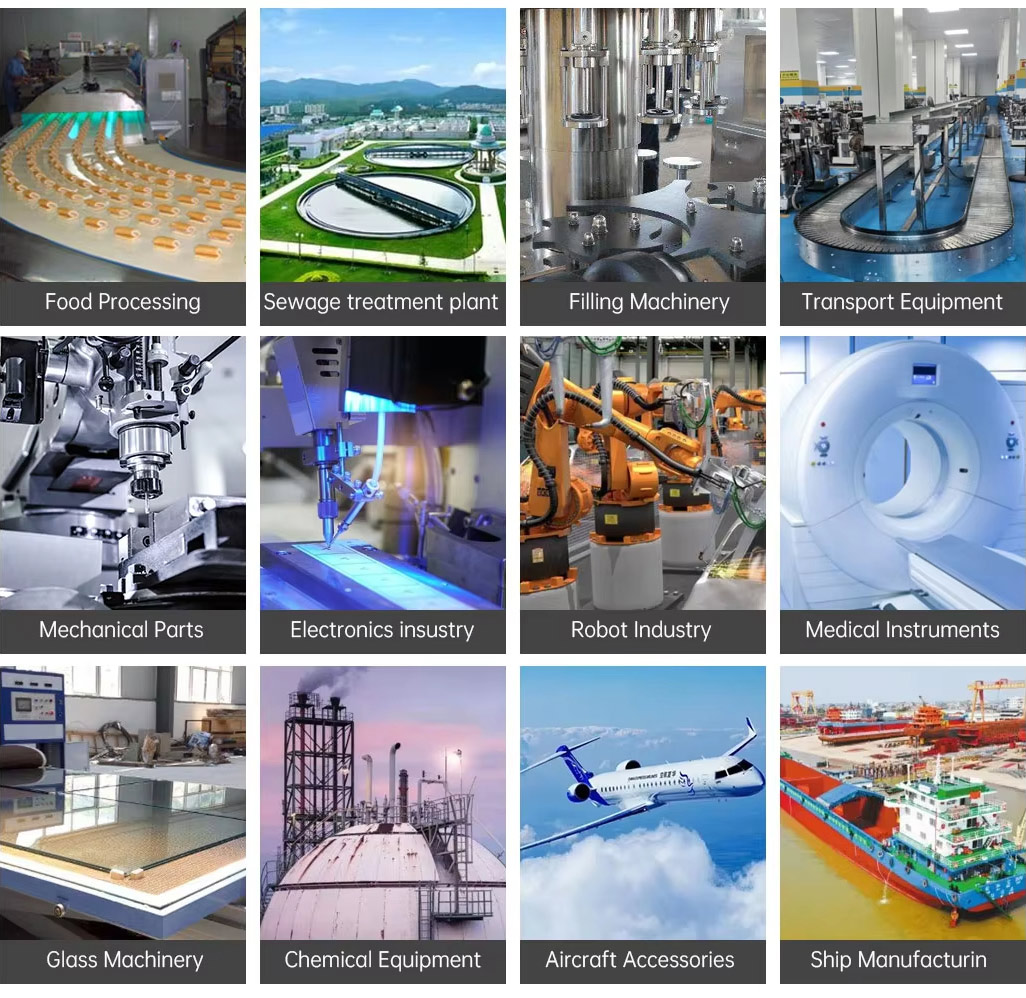
It is capable of producing
in both large and small volumes
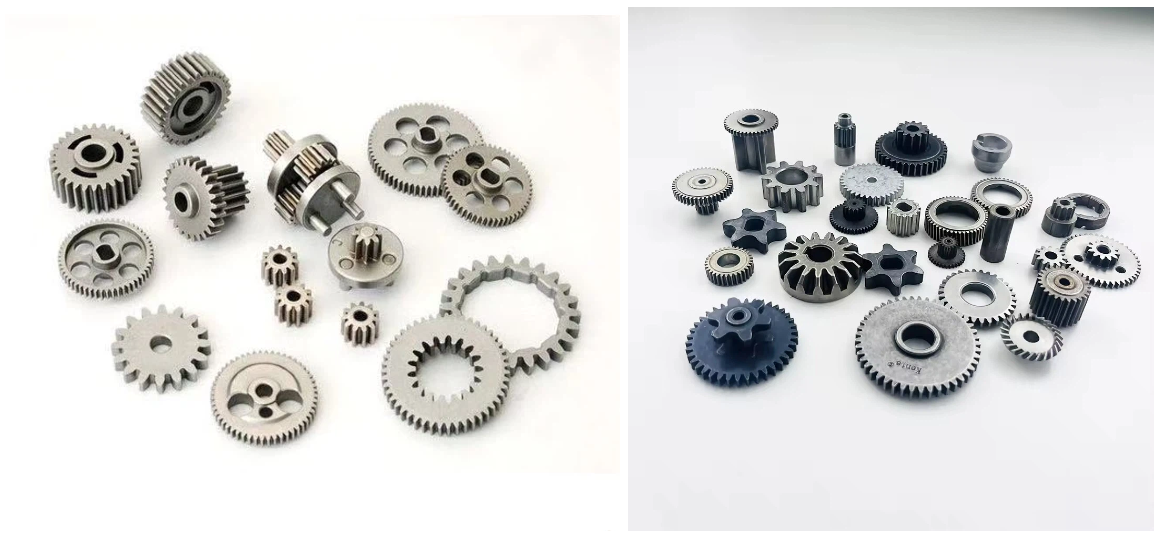
complex shapes
from almost all types of materials including metals, ceramics, intermetallic compounds, and composites
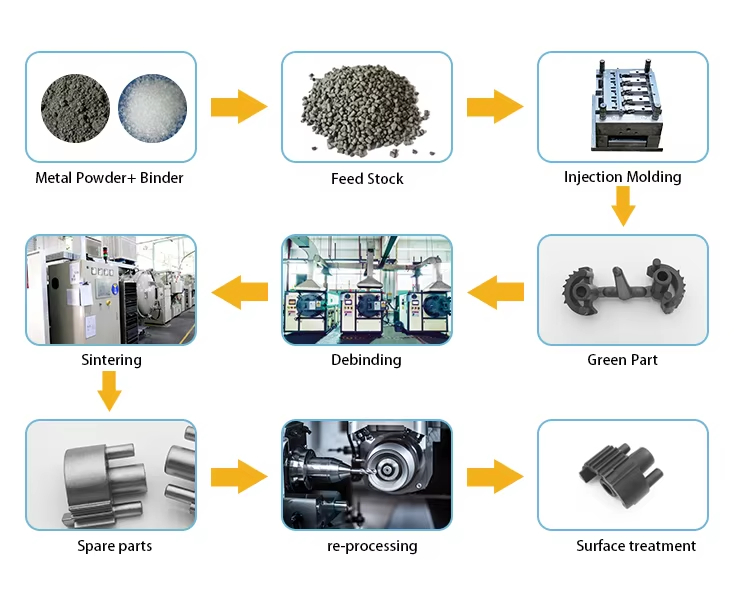
Metal injection moulding (MIM) is a development of the traditional powder metallurgy (PM) process and is rightly regarded as a branch of that technology.
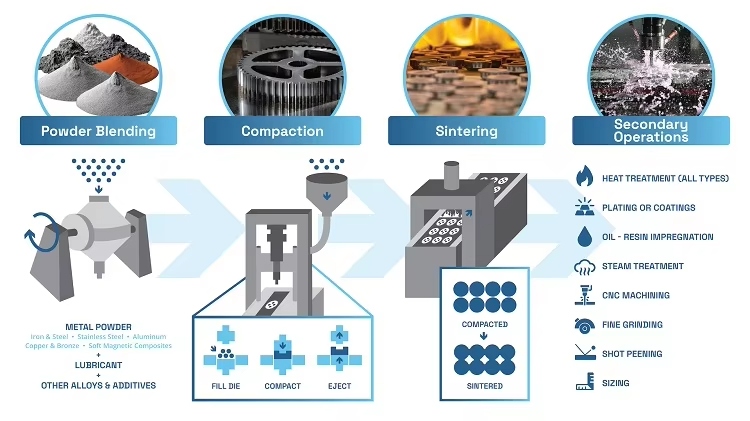
The standard PM process that is press&sinter is to compact a lubricated powder mix in a rigid die by uniaxial pressure, eject the compact from the die, and sinter it.
Quite complicated shapes can be and are regularly being produced by the million, but there is one significant limitation as regards shape:
after compaction in the die the part must be ejected, i.e. pushed out of the die cavity.
It will be obvious, therefore, that parts with undercuts or projections at right angles to the pressing direction cannot be made directly, unless complicated procedures and split dies are involved.
That limitation is substantially removed by the metal injection moulding process.
The use of injection moulding for the production of quite intricate parts in a number of plastic materials has been known for many years, and most of us come into contact with them in some form or other every day.
One important feature of such parts is that they are relatively cheap .
However, for many engineering applications these plastic materials have quite inadequate mechanical properties.
Some improvement is made possible by the use of solid fillers – ceramic or metal powders – but the real breakthrough occurred when it was found possible to incorporate a very high volume fraction of metal powder in a mix so that, instead of a filled plastic part, a plastic-bonded metal or ceramic part is produced.
Careful removal of the plastic binder leaves a skeleton of metal or ceramic which, although fragile, can be handled safely and sintered in much the same way as traditional die compacted parts.
As fine powders are used, after sintering densities of 95% or more are reached and the mechanical properties are, for that reason, generally superior to those of pressed&sintered PM parts.
The metal injection molding process can manufacture a wide variety of materials and alloys. Check out our full list of available metal injection molding materials. Once a MIM material is selected, the MIM process starts in house with mixing APP’s proprietary MIM feedstock is a mixture of fine metal powders and binders, such as waxes and various polymers. Once cooled, the feedstock is granulated into pellets to prepare for injection molding. APP’s proprietary feedstocks are designed for a specific shrink rate and allow for enhanced material flow and greater processing parameters.
Engineers working with high-strength applications can select from various alloys, to meet specific mechanical and environmental requirements. The ability to fine-tune material properties at the feedstock stage ensures consistency and repeatability in mass production. Common materials such as stainless steel are frequently used for their strength, corrosion resistance, and adaptability in various industries. To ensure reliability and repeatability during processing, the feedstock compounding process is tightly controlled.