Key Benefits of MIM Technology
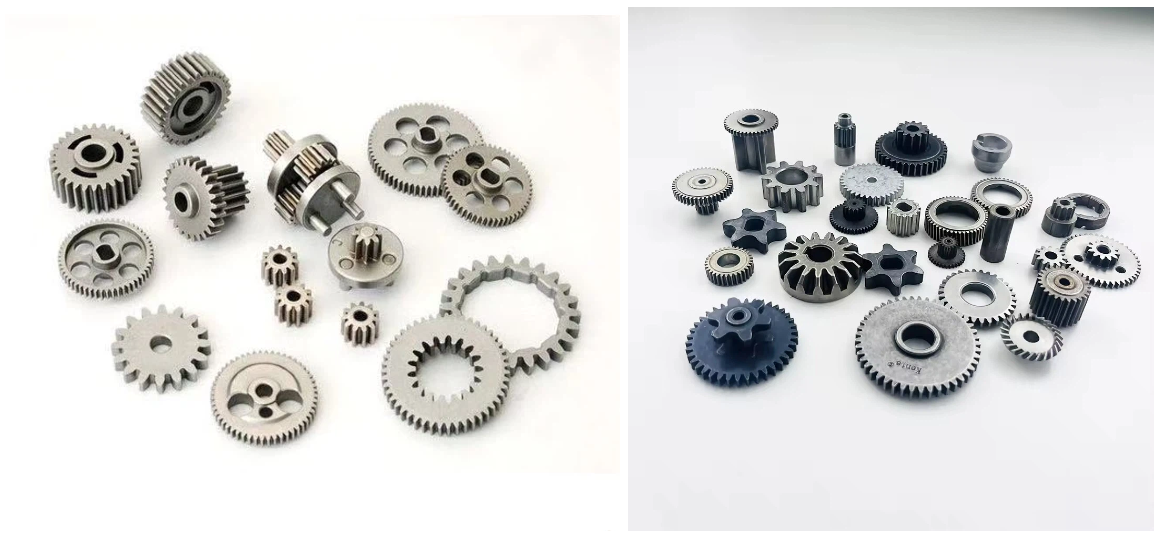
Complex Geometries: MIM excels in producing parts with intricate shapes, thin walls, and internal features that would be challenging or cost-prohibitive to produce using traditional manufacturing methods.
Material Efficiency: The near-net-shape production process reduces material waste, making it highly cost-effective for high-volume production.
Consistency: MIM ensures uniformity and precision across large production runs, guaranteeing high-quality parts with minimal variation.
Superior Mechanical Properties: MIM parts have mechanical properties comparable to solid wrought materials, ensuring strength and durability.
Cost-Effectiveness: MIM significantly reduces production costs by eliminating the need for costly machining steps, making it ideal for high-volume production of precision parts.
Materials Used in the MIM Process
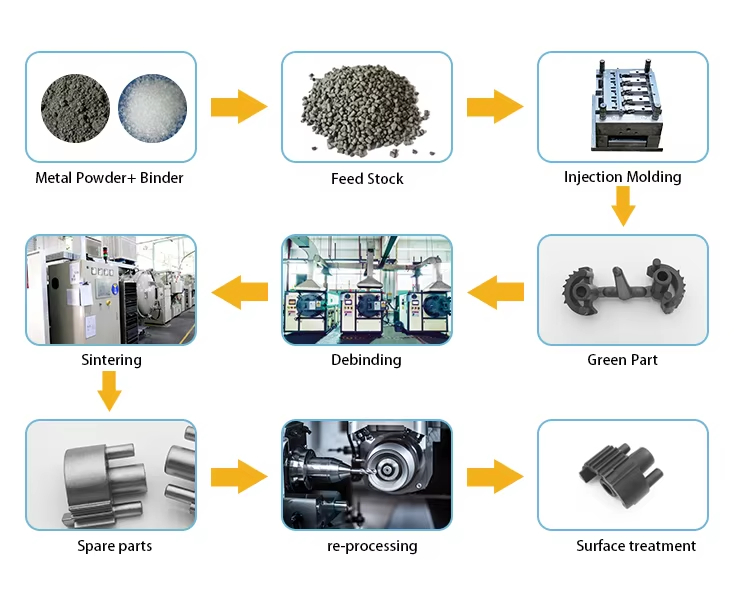
The Metal Injection Molding (MIM) process exclusively utilizes fine metal powders to produce high-performance components. Common materials include stainless steel, low-alloy steel, tool steels, and specialty alloys, each chosen for its strength, corrosion resistance, or unique mechanical properties. These metals make MIM an ideal solution for demanding applications in medical, aerospace, and high-tech industries.
For engineers designing mission-critical components, material selection plays a crucial role in achieving optimal performance. Stainless steel, for example, offers excellent corrosion resistance and mechanical strength, making it a preferred choice in harsh environments. By carefully selecting the right alloy, engineers can optimize component longevity and functionality within the Metal Injection Molding Process.
MIM Process Advantages
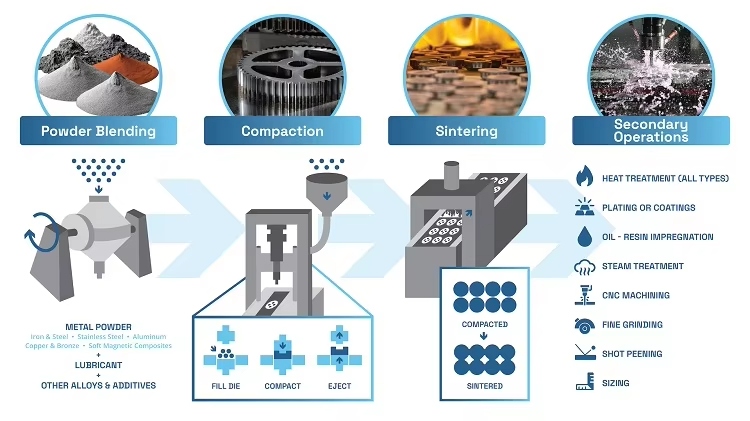
The Metal Injection Molding (MIM) process offers a unique combination of design flexibility, material strength, and cost efficiency. It enables the production of complex, high-precision components with tight tolerances, making it ideal for industries such as medical, aerospace, and electronics. Compared to traditional machining or casting, MIM reduces material waste and allows for high-volume production of intricate parts with superior mechanical properties.
Additionally, MIM’s ability to produce near-net-shape components eliminates the need for extensive machining, reducing labor costs and material waste. Engineers can leverage this process to scale production while maintaining part-to-part consistency, even for challenging geometries.
Applications of MIM
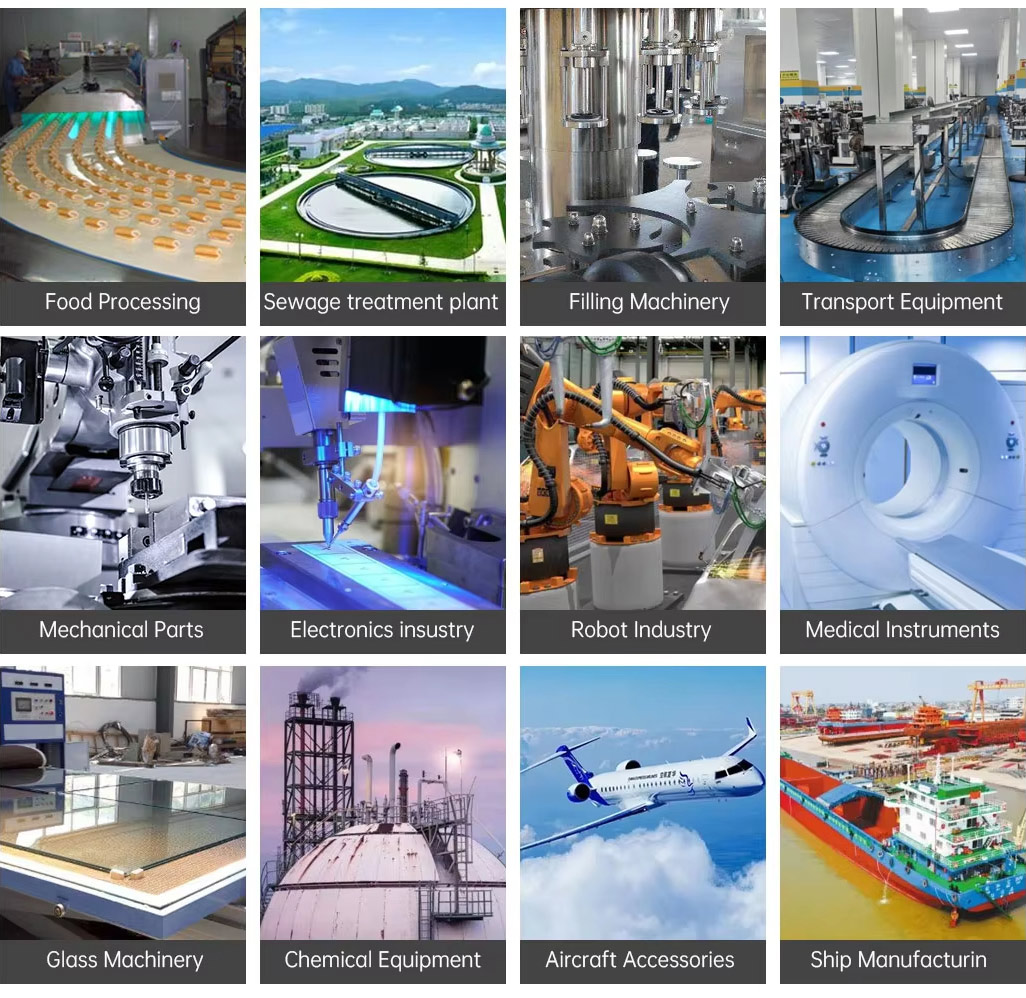
MIM is an ideal solution for industries requiring complex, high-performance components. Some of the typical applications include:
Automotive: Small engine components, transmission parts, and structural elements.
Aerospace: Lightweight, high-strength parts for aircraft and satellite systems.
Medical Devices: Surgical instruments, implants, and diagnostic equipment.
Consumer Products: Watches, mobile phones, and home appliances.
Industrial: Tools, hardware, and precision equipment. Defence applications.