This makes it a highly efficient method for industries requiring high-performance metal components and is particularly effective for producing a molded part with intricate features and consistent repeatability. This is especially true when designing or manufacturing complex parts in high volumes where traditional methods fall short.
The MIM Process
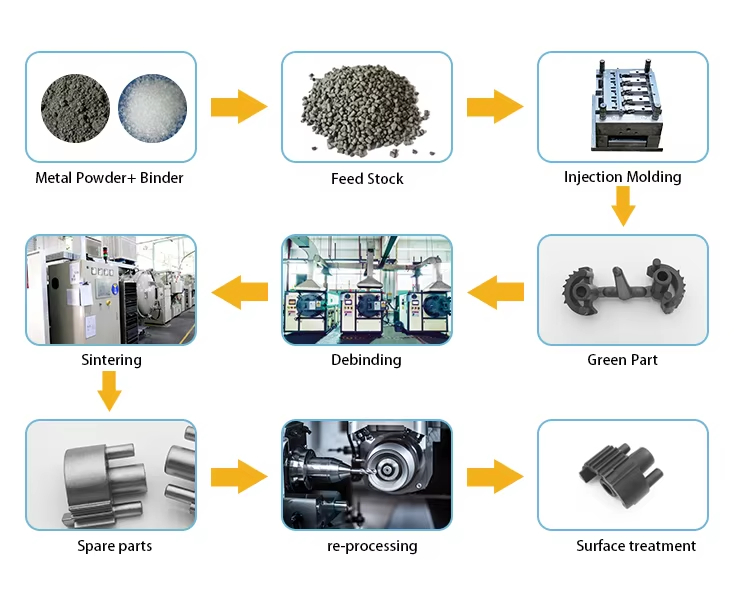
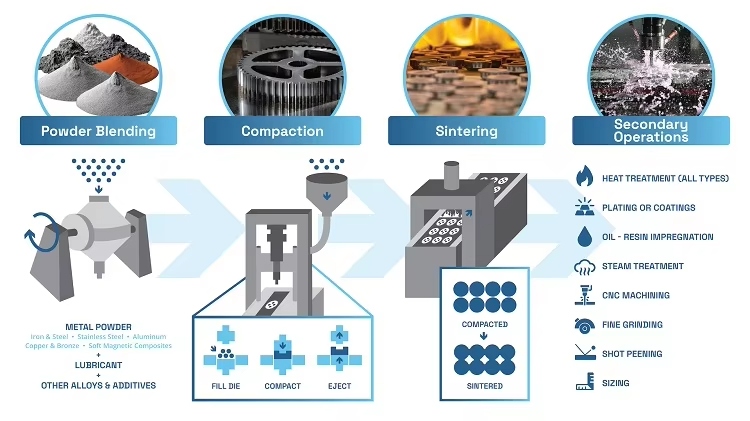
Metal Injection Molding (MIM) is an advanced manufacturing process that combines the versatility of plastic injection molding with the strength and performance of metal. Fine metal powders are mixed with a polymer binder, molded into shape, and then subjected to a multi-step debinding and sintering process to achieve final density and mechanical properties.
One of the biggest advantages of MIM for engineers is its ability to produce intricate geometries that would be challenging or impossible to achieve through traditional machining or casting methods. Additionally, the process allows for broad material capabilities, expanding design possibilities.
With the ability to produce final parts that meet stringent industry specifications, MIM is ideal for applications requiring precision and durability, like high-precision components used in industries such as medical, aerospace, and high-tech electronics. The result is a portfolio of metal injection molded parts that deliver exceptional performance without sacrificing detail or quality.
Feedstock Compounding
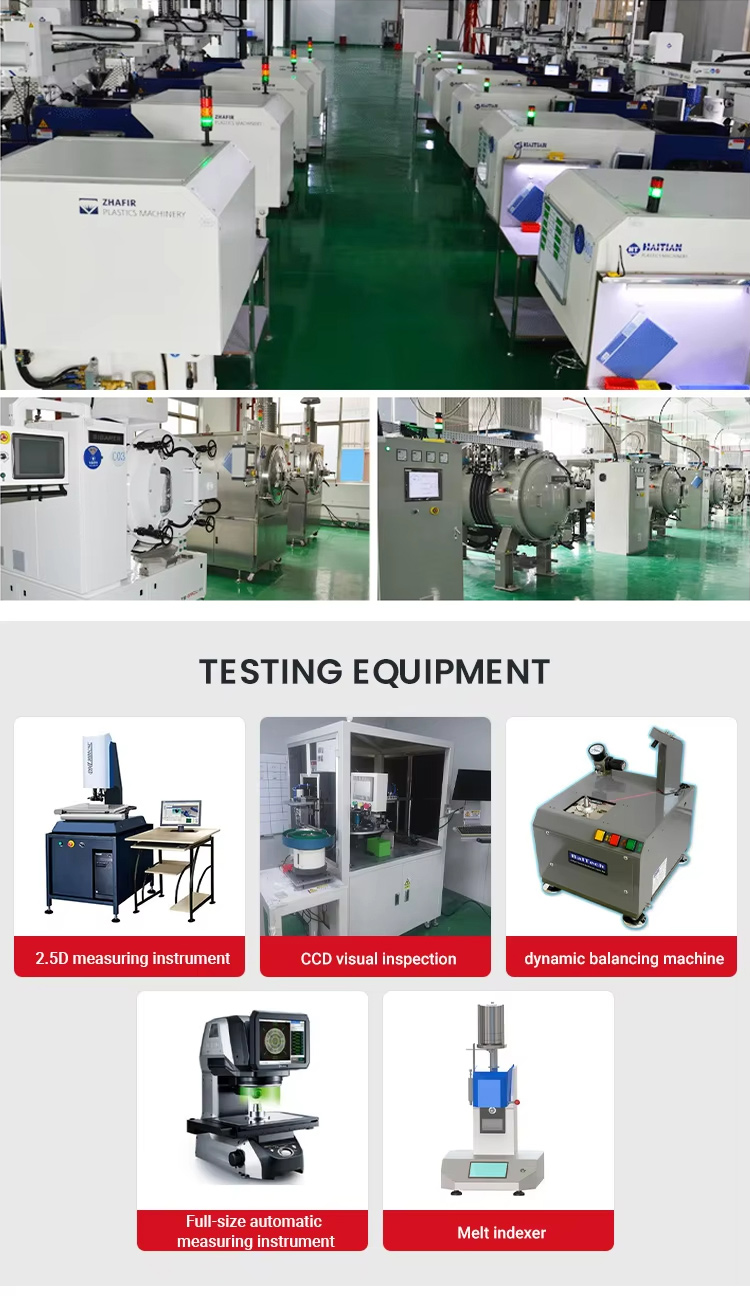
The metal injection molding process can manufacture a wide variety of materials and alloys. Check out our full list of available metal injection molding materials. Once a MIM material is selected, the MIM process starts in house with mixing APP’s proprietary MIM feedstock is a mixture of fine metal powders and binders, such as waxes and various polymers. Once cooled, the feedstock is granulated into pellets to prepare for injection molding. APP’s proprietary feedstocks are designed for a specific shrink rate and allow for enhanced material flow and greater processing parameters.
Engineers working with high-strength applications can select from various alloys, to meet specific mechanical and environmental requirements. The ability to fine-tune material properties at the feedstock stage ensures consistency and repeatability in mass production. Common materials such as stainless steel are frequently used for their strength, corrosion resistance, and adaptability in various industries. To ensure reliability and repeatability during processing, the feedstock compounding process is tightly controlled.
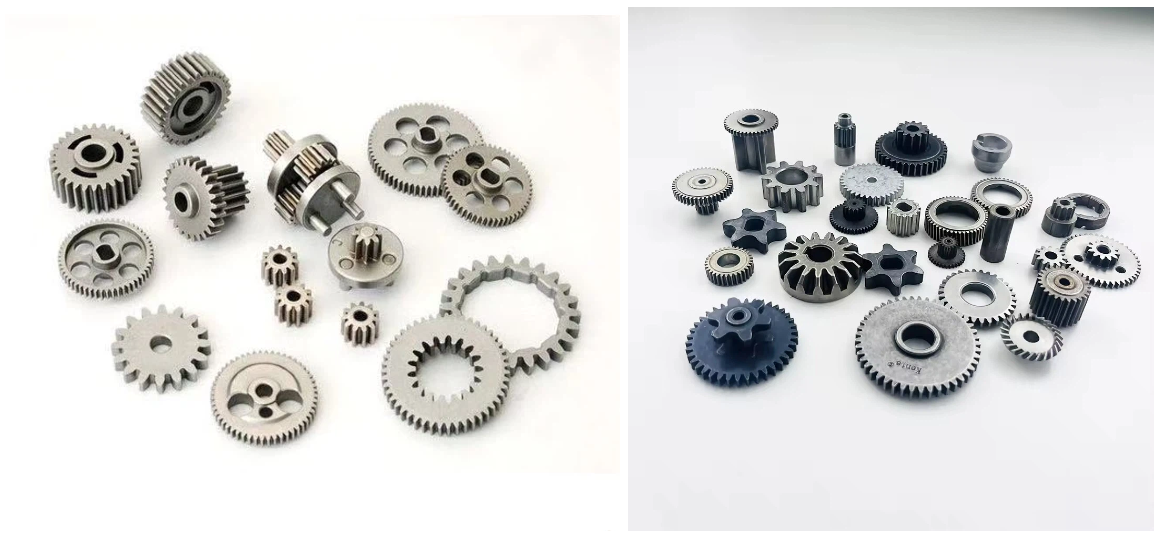
MIM Products
Metal injection moulding (MIM) has over the past decades established itself as a competitive manufacturing process
for small precision components which would be costly to produce by alternative methods.
large, but also for smaller volumes
for complex shapes
for almost all types of materials including metals, ceramics, intermetallic compounds, and composites.
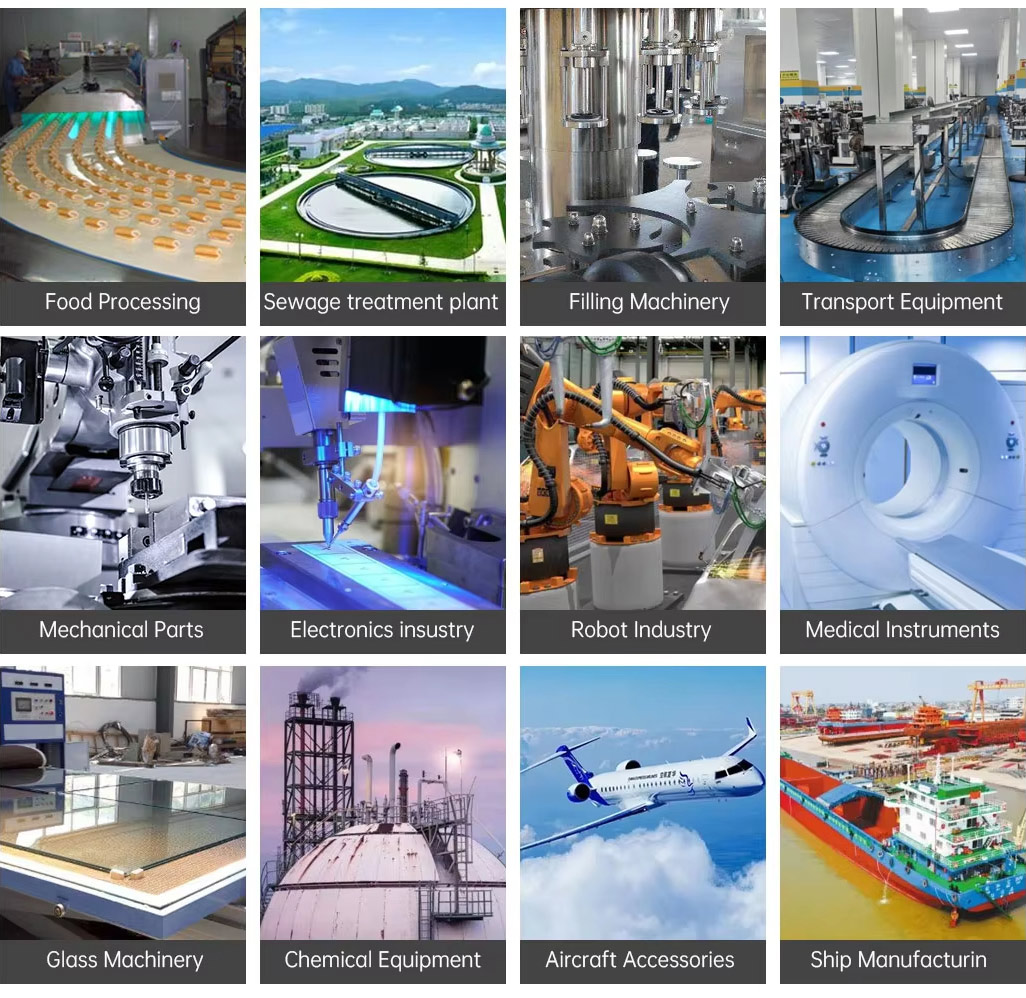
Components made by MIM technology are continually finding new applications in industry sectors such as automotive, chemical, aerospace, business equipment, computer hardware, bio-medical and armaments.